How to Choose Long-Lasting Gutters for Your Home
Gutters are one of those parts of a house that most people do not think about until something goes wrong. A clogged downspout during a heavy rain, a rusted section that finally gives way, or water pooling around the foundation can all turn a quiet afternoon into a stressful situation. Over the years, I have seen homeowners spend a lot of time and money on roof repairs that could have been avoided with better gutter choices. The key is understanding what makes a gutter system truly durable and how to pick materials and installation methods that will serve you for decades.
The first thing to realize is that not all gutters are built the same. Many homeowners assume that any metal or plastic trough will do the job, but the reality is more nuanced. The climate where you live, the style of your roof, and even the type of trees around your house all influence which gutter will hold up best. In my experience, the most common mistake people make is focusing only on the initial cost and ignoring the long-term performance. That is where the concept of long-lasting gutters comes into play. You want a system that can handle heavy rain, temperature swings, and the occasional debris load without needing replacement every few years.
Material Matters More Than You Think
Gutters are typically made from aluminum, steel, copper, or vinyl. Each material has its own set of strengths and weaknesses. Aluminum gutters are lightweight and resistant to rust, but they can dent easily if you are not careful with ladders or falling branches. Steel gutters are stronger but will rust over time unless they are coated with a protective layer like galvanized zinc or paint. Copper gutters are beautiful and last a very long time, but they come with a high upfront cost and can react with certain types of roofing materials. Vinyl gutters are cheap and easy to install, but they become brittle in cold weather and can crack under heavy snow loads.
For most homeowners in the Southeast, where I work, aluminum or galvanized steel gutters tend to offer the best balance of cost and durability. But the real secret to long-lasting gutters is not just the material itself; it is the quality of the seams and the way the sections are joined. Seamless gutters, which are formed from a single piece of metal on-site, eliminate the weak points where leaks usually start. If you are looking at sectional gutters, pay close attention to the connectors and sealants. A poorly sealed joint will fail long before the metal does.
Proper Sizing and Slope Are Critical
Another factor that gets overlooked is the size of the gutter relative to the roof area it serves. A standard 5-inch K-style gutter might look fine from the ground, but if your roof has a steep pitch or a large surface area, that size may not be enough to handle a heavy downpour. Water can overshoot the gutter entirely or back up under the shingles. I have seen houses where the gutters were technically still intact, but they were so undersized that they caused water damage to the fascia boards and soffits. The solution is to calculate the drainage capacity needed for your specific roof. Most professionals can do this quickly, but it helps to know what to ask for.

The slope of the gutter also matters. Gutters need a slight pitch toward the downspouts so water flows freely. If the gutter is level or has a low spot, standing water will accelerate corrosion and attract mosquitoes. Over time, that standing water can also add weight that pulls the gutter away from the fascia. When I inspect older homes, I often find gutters that were installed without enough slope. The fix is not always easy, but catching it early can save you from replacing the entire system prematurely.
Maintenance Is Part of the Equation
Even the best gutter system will not last if it is never cleaned. Leaves, twigs, and pine needles can build up and block the flow of water. In the fall, gutters on homes with overhanging trees can fill up in a matter of weeks. That debris holds moisture against the metal, speeding up rust and corrosion. It also adds weight that can bend or pull the gutters loose. I recommend cleaning gutters at least twice a year, once in late spring and once in late fall. If you have many trees close to the house, you may need to do it more often.
One product that helps reduce maintenance is a gutter guard or leaf screen. These mesh covers sit over the top of the gutter and allow water to pass through while keeping most solid debris out. They are not perfect, and some types can actually trap small particles that eventually form a slimy layer, but they do cut down on the frequency of cleanings. In my experience, the best strategy is to combine a good guard with a regular inspection routine. That way you catch small problems before they become big ones.
Installation Quality Separates the Good From the Bad
You can buy the most expensive gutters on the market, but if they are installed poorly, they will not perform well. The hangers that attach the gutter to the fascia must be spaced correctly, usually every 24 to 36 inches. If the spacing is too wide, the gutter will sag between the hangers, creating low spots. The downspouts need to be secured to the wall so they do not pull away in a strong wind. And the connections at the corners and the end caps must be sealed tightly. I have seen many cases where a homeowner tried to save money by doing the installation themselves or hiring a handyman without gutter experience. The result was a system that leaked from day one and had to be replaced within a few years.
Another detail that matters is the way the gutter interfaces with the roof edge. A drip edge or flashing should extend into the gutter so water runs off the roof and into the channel without dripping behind it. If that detail is missing, water can run down the fascia and cause rot, even if the gutter itself is fine. This is one of those areas where a professional roofer or gutter specialist will catch things that a general contractor might miss.

When to Replace vs. Repair
Knowing when to replace gutters can be tricky. Small holes or leaks at the seams can often be patched with a quality sealant. But if the gutters are rusting through in multiple places, or if they have been damaged by ice or falling branches, replacement is usually the better option. The same goes for gutters that are constantly clogging because they are too small or have the wrong shape. In those cases, no amount of cleaning will fix the underlying design problem.
One sign that it is time to upgrade is when you notice water stains on the siding or foundation walls. Another is when the gutters are visibly sagging or pulling away from the house. If you have to go up on a ladder frequently to reattach sections, the system has probably reached the end of its useful life. Investing in long-lasting gutters at that point can save you from more expensive repairs down the road.
Real-World Advice From Experience
Over the years, I have seen a lot of gutter systems come and go. The ones that last are almost always the ones where the homeowner took the time to choose the right material, size, and installation method. They also made maintenance a regular habit. I have a customer who installed seamless aluminum gutters with a baked-on enamel finish about fifteen years ago. They still look and work like new, even after several heavy storms and one tree branch that fell during a windstorm. That is the kind of performance you can get when you prioritize quality over the lowest price.
Another lesson I have learned is that local building codes and weather patterns matter. In areas with frequent hail or high winds, you might need heavier gauge metal or additional bracing. In places with lots of pine trees, a wider gutter with a steeper slope can help prevent clogs. A good contractor will take these factors into account and recommend a system that matches your specific conditions.
If you are planning a new roof or replacing an old one, it is smart to think about the gutters at the same time. The roofer can install the drip edge and flashing in a way that works perfectly with the gutter system. That coordination can extend the life of both the roof and the gutters. It also saves you from having to pay for two separate jobs later.
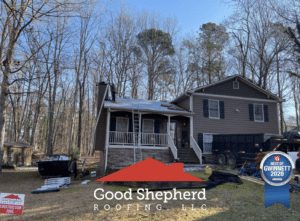
Good Shepherd Roofing, located at 2505 2nd Ave, Dacula, GA 30019, USA, and reachable at +1 833-477-7663, is a roofing company in Dacula, GA providing roof repair, replacement, gutters, and insurance claim support for homeowners. They have seen firsthand how the right gutter choices can protect a home and reduce long-term costs.
In the end, the goal is to find a gutter system that works with your home, not against it. With some planning and the right help, you can avoid the frustration of leaks, clogs, and early replacements. And that is what long-lasting gutters are really about: giving you peace of mind every time it rains.
Connect with us on LinkedIn.